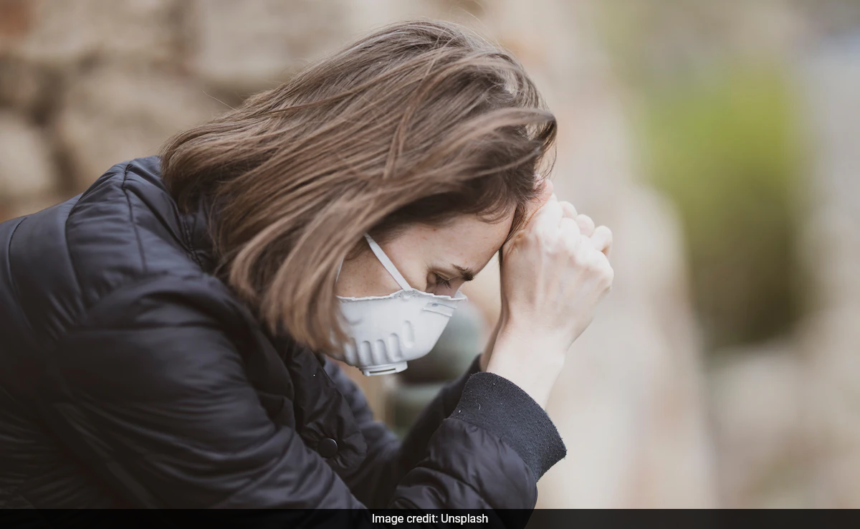
India is grappling with alarmingly high levels of air pollution, a crisis that poses severe health risks for millions. Toxic particles such as PM2.5, nitrogen dioxide, and sulphur dioxide fill the air, targeting individuals of all age groups and compromising their well-being. While immediate symptoms like cough, wheezing, or fatigue are common, the long-term damage caused by prolonged exposure is far more concerning. Air pollution not only exacerbates pre-existing conditions but also silently promotes the onset of chronic illnesses, potentially shortening lifespans. It is imperative to recognise the early signs of these health problems to prevent irreversible damage.
How air pollution causes long-term health problems
Air pollution does not merely irritate the lungs—it initiates a cascade of health problems that often go unnoticed until they become severe. Pollutants like PM2.5 and ozone penetrate deep into the respiratory system, causing inflammation, oxidative stress, and damage to vital organs. Over time, this accelerates the progression of chronic diseases and can even trigger new conditions. Whether it's respiratory illnesses or cardiovascular issues, air pollution silently compounds health problems, leaving individuals vulnerable to life-threatening complications.
9 Health problems caused by air pollution
1. Chronic respiratory diseases
Pollutants like PM10 and PM2.5 inflame airways, causing or worsening chronic obstructive pulmonary disease (COPD) and asthma. Prolonged exposure reduces lung function, increasing the risk of acute respiratory distress.
2. Cardiovascular issues
Fine particulate matter enters the bloodstream, leading to atherosclerosis (plaque build-up in arteries), high blood pressure, and an increased risk of heart attacks or strokes.
3. Cancers
Long-term exposure to air pollution, especially in industrial or urban areas, has been linked to lung and bladder cancer. Carcinogens like benzene and formaldehyde in the air play a significant role.
4. Neurodegenerative disorders
Research indicates that air pollution may contribute to Alzheimer's and Parkinson's diseases. Pollutants damage brain cells and accelerate cognitive decline by causing chronic inflammation in the brain.
5. Weakened immune system
Pollutants suppress immune function, reducing the body's ability to fight infections. This makes individuals prone to recurrent illnesses and autoimmune diseases.
6. Diabetes
Air pollution disrupts glucose metabolism and insulin sensitivity, increasing the likelihood of Type 2 diabetes. Even low-level exposure can worsen blood sugar levels in pre-diabetic individuals.
7. Infertility and birth complications
Airborne toxins can interfere with reproductive health, causing hormonal imbalances and reducing fertility in both men and women. Pregnant women exposed to high pollution levels are at risk of premature births and low-birth-weight babies.

8. Mental health disorders
Prolonged exposure to air pollution has been linked to anxiety, depression, and even schizophrenia. The toxins cause oxidative stress, which affects brain chemistry and emotional regulation.
9. Skin problems
Constant exposure to pollutants like ozone and heavy metals causes oxidative stress on the skin, leading to premature ageing, eczema, and even skin cancers over time.
Recognising the early signs of pollution-induced health problems
1. Persistent cough or wheezing
Early indicators of chronic respiratory issues like COPD or asthma, these symptoms suggest airway inflammation due to pollution exposure.
2. Unexplained fatigue or shortness of breath
Linked to cardiovascular strain, these symptoms often precede more severe conditions like heart attacks or strokes.
This article is referenced from
https://doctor.ndtv.com/
Views: 1.7k