Words can be tricky. They can sound good in theory, but when it comes to real-world application, their meanings can get a little fuzzy. Especially when it comes to terms that are loaded with social, cultural, and historical significance, like misogyny, feminism, and their counterparts. Let's go through some of these common terms, keep it straightforward, and figure out what they really mean.
Misogyny
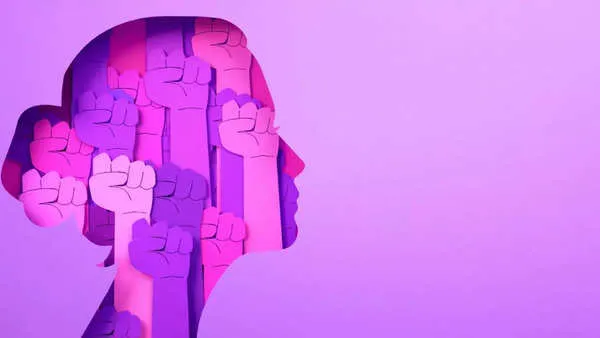
Let's start with the big one: misogyny. If you've ever heard someone describe a person as "misogynistic," you probably know it's not a compliment. But what does it actually mean? The word comes from the Greek "misos" (hatred) and 'igyne" (woman), so at its core, it means the hatred of women.
Misogyny isn't always about outright hatred — sometimes, it's a lot more subtle. It can pop up in casual comments, everyday interactions, or even in big systems that put men on top. Take the old stereotype that women are "too emotional" or "too sensitive" to be good leaders. That's a perfect example of misogyny sneaking in. It's the idea that women are somehow less capable than men in certain areas, and often, it's just accepted without anyone really questioning it.
Feminism
Now, if you've ever heard the term feminism, chances are you've encountered it in a heated debate, often With some heavy misconceptions attached to it. Let's clear up a few things. At its most basic, feminism is the belief in the social, political, and economic equality of the sexes.
It's not about hating men or thinking that women should rule the world. It's about advocating for the same rights, opportunities, and respect for women that men have historically had. In fact, one of the most commonly misunderstood ideas about feminism is that it's a "women's issue." But the truth is, it benefits everyone — men, women, and non-binary folks alike.
Patriarchy
You've probably heard the word patriarchy thrown around a lot, but what does it actually mean? At its core, patriarchy is basically a system where men hold most of the power, and women get left out of the decision-making.
Patriarchy is everywhere — in politics, business, and even in everyday life. For example, women make up about half the population, but they're still underrepresented in boardrooms and political offices. Or think about how women's sports often get less media attention and funding than men's. That's patriarchy at work.
Patriarchy doesn't just impact women; it affects men too. It pressures them to fit into narrow roles where they're expected to be tough, unemotional, and in control all the time. This system limits everyone by making it hard for anyone to just express themselves freely.
Sexism
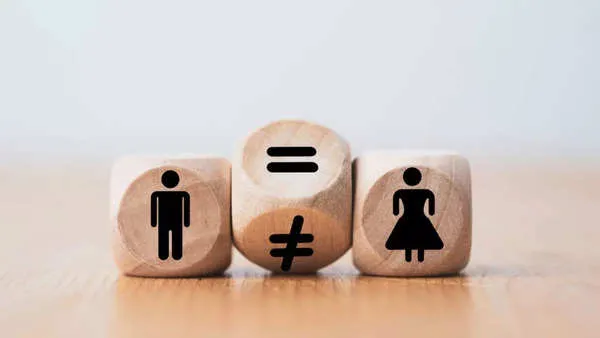
Sexism, like misogyny, is a term that pops up in casual conversation but can be a little murky. Simply put, sexism refers to discrimination based on a person's sex or gender. Often, it's the belief that one gender is superior to another, leading to biased treatment.

While misogyny specifically refers to hatred or dislike of women, sexism is the broader term for the unequal treatment or prejudices directed at any gender. It might show up when women are paid less than men for the same work, or when men are discouraged from showing emotion because "boys don't cry."
Toxic Masculinity
Toxic masculinity is about the harmful views society has on what it means to be a man. It tells guys they should always be tough, unemotional, and in charge, and anything less is seen as weak. This can make men bottle up their emotions or feel like they can't be open.
It's that constant push to "man up" in a way that's unrealistic and unhealthy, which ends up hurting their mental health, relationships, and general well-being. Over time, it can cause stress, loneliness, and difficulty connecting with others. Read More
This article is referenced from
https://timesofindia.indiatimes.com/
Views: 7.4k