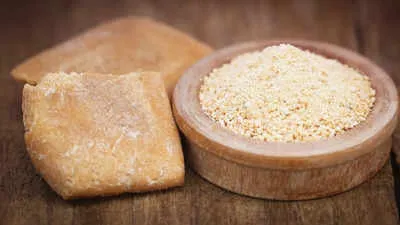
Asafoetida, or hing, is a mainstay in Indian kitchens known for its distinct smell and digestion properties. However, the increasing demand for this spice has led to adulterated and fake asafoetida creeping into the market, making it compromise not only on flavor but quality too. It is vital to spot genuine asafoetida to save the originality of your dishes and health benefits too. Here are five simple tips to spot fake asafoetida at home.
Check the aroma
True asafoetida has a very strong and pungent smell which can fill a room instantly. Fake or adulterated ones are usually devoid of this intensity or their artificially enhanced smell disappears too fast. To check, take a small quantity of asafoetida, crush it, and smell it; if it is very mild or smells synthetic, it might be fake.
Dissolve in water
Pure asafoetida completely dissolves in warm water without leaving any residue. To test, add a pinch of asafoetida to a glass of warm water. If you notice undissolved particles or a muddy appearance, it could be mixed with impurities or fillers like starch or flour.
Observe the texture
Authentic asafoetida is soft and slightly sticky, particularly when in its raw resin form. If the powder feels too dry, powdery, or grainy, it's probably adulterated. Starch or other additives may be included in powdered asafoetida, so better to source high-quality raw resin.
Conduct a heat test
In a spoon, heat a small quantity of asafoetida over a flame. Genuine asafoetida will melt evenly and has a sharp, distinct aroma. Charring, bad smell, or residue left behind in fake versions indicate impurities.

Check the source and packaging
Genuine brands ensure that their products meet the quality standards. Look for certifications and labels like "100% pure" or "authentic" on the packaging. Do not buy asafoetida from unknown sources because local vendors may sell adulterated ones at cheaper rates. Read More
This article is referenced from
https://timesofindia.indiatimes.com/
Views: 5.3k