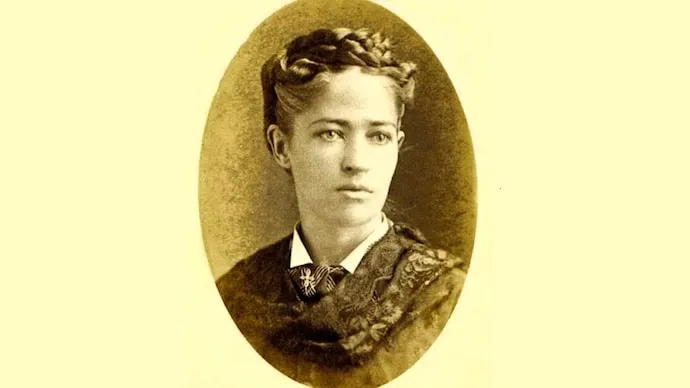
The saying “necessity is the mother of invention” holds absolutely true for Josephine Cochrane, a 19th-century American housewife who changed household chores forever.
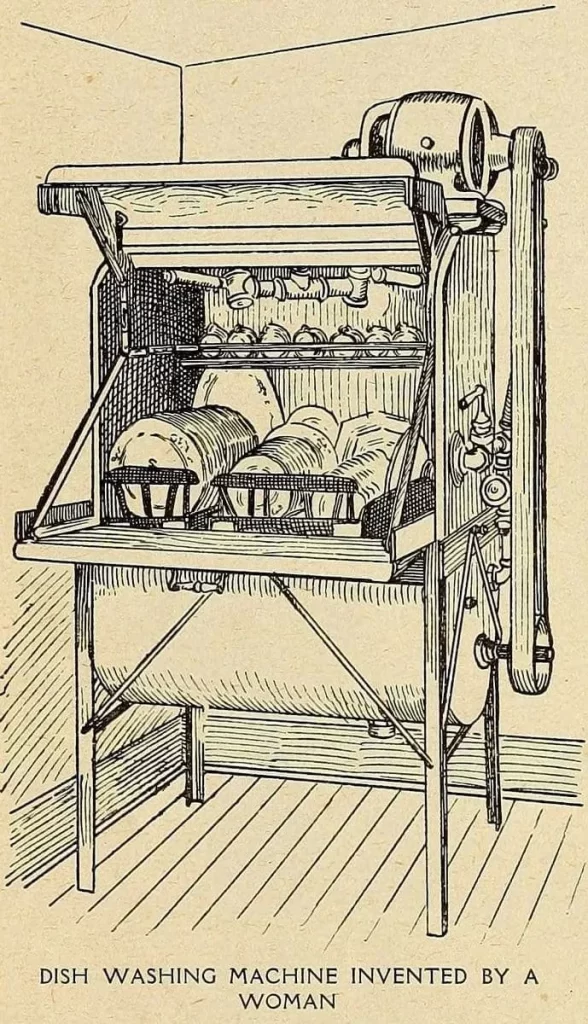
Frustrated with washing dishes by hand and worried about damaging her expensive Chinese utensils, she took matters into her own hands and invented the mechanical dishwasher in 1886.
Josephine Garis was born in Ashtabula County, Ohio, though records differ on her birth year, with some stating 1839 and others 1841.
Cochran’s troubles with dishwashing began after her marriage to William Cochran, a wealthy merchant, in 1858, after which she moved to Shelbyville, Illinois.
As a socialite, she often hosted dinner parties, serving meals on her expensive heirloom china. Unfortunately, the household staff often chipped the delicate dishes during handwashing.
Determined to protect her valuable china, Cochran started washing the dishes herself but ended up damaging them as well.
Frustrated, she decided to create a machine that could do the job faster and more safely. According to the US Patent and Trademark Office, she declared, “If nobody else is going to invent a dishwashing machine, I’ll do it myself.”
Despite having no formal technical education, Cochran came from a family with a history of engineering and invention. She began working on her first design in a shed behind her house in Shelbyville, Illinois. To overcome her lack of engineering expertise, she sought help from a local mechanic, George Butters.

Cochran very carefully measured the dimensions of plates, cups, and saucers to design wire compartments that could securely hold each piece of dishware. These compartments prevented the dishes from touching each other during the cleaning process. Read More
This article is referenced from
https://www.indiatoday.in/
Views: 2.9k