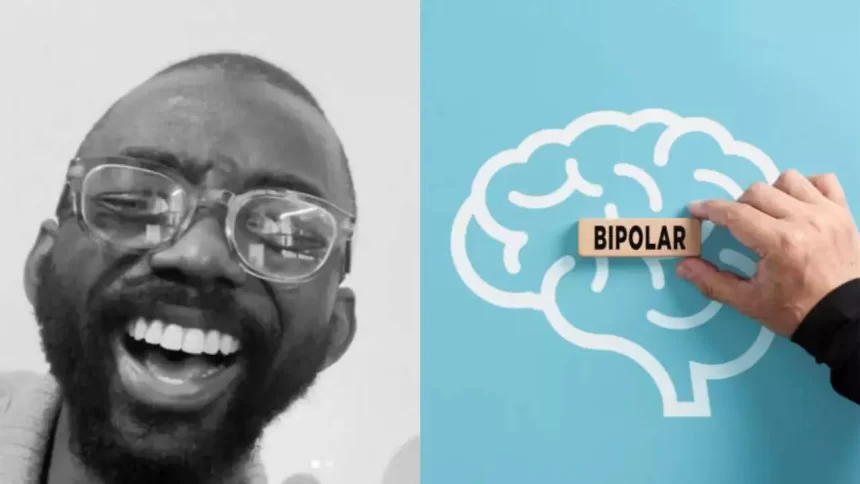
A 28-year-old British Ghanaian artist has opted to die by euthanasia—legally-assisted death—after he says he is not able to manage the symptoms of bipolar disorder. The condition is a mental health issue, characterised by extreme mood swings, including periods of intense happiness or irritability, which includes mania or hypomania, and periods of deep sadness or depression. Read on to know more.
A 28-year-old British Ghanaian artist who was diagnosed with bipolar disorder has opted to end his life with euthanasia—the practice of intentionally ending life in a legal way to eliminate pain and suffering. Joseph Awuah-Darko says he does not want to continue to live with the mental health disorder.
want to continue to live with the mental health disorder. Bipolar disorder is characterised by extreme mood swings, including periods of intense happiness or irritability, which includes mania or hypomania, and periods of deep sadness or depression. Joseph tried to get treated, but said he failed and has found no relief Announcing his decision on an Instagram video, he said he has decided to end his life and is awaiting approval, which could take up to four years. “Hi,” he said in the video. “I’m Joseph; I am bipolar, and I moved to the Netherlands to legally end my life.”
In another video, Awuah-Darko documents himself saying that he wakes up every day in “severe pain,” which led him to decide on medically assisted death. He spent five years contemplating the decision before filing an official request with the Euthanasia Expert Centre in the Netherlands. Euthanasia became legal in the Netherlands in 2001 when the Termination of Life on Request and Assisted Suicide (Review Procedures) Act was passed. The Netherlands then became the first country in the world to make euthanasia legal.
What is bipolar disorder?
Also known as manic depression, bipolar disorder causes extreme changes in mood and energy levels, according to the National Institute of Health. There are four basic types of the disorder, which are characterized by periods of elation and hyperactivity known as manic episodes, which are then followed by depressive stages where the patient experiences feelings of sadness and depression.
Experts say the shifts in mood can last for hours, days, weeks, or months and interrupt your ability to carry out day-to-day tasks.
There are a few types of bipolar disorder, which involve experiencing significant fluctuations in mood referred to as hypomanic/manic and depressive episodes. However, people with bipolar disorder are not always in a manic-depressive state. They also experience periods of normal mood.

Those diagnosed with the condition can get into manic states indulging in activities that cause them physical, social, or financial harm—like suddenly spending or gambling extreme amounts of money or driving recklessly. They also occasionally develop psychotic symptoms, such as delusions and hallucinations, causing difficulties in distinguishing bipolar disorder from other conditions like schizophrenia and schizoaffective disorder. Read More
This article is referenced from
https://www.timesnownews.com/
Views: 4.3k