Imagine you are served a glass of dark green juice and 2 yellow cupcakes. How do you think the green juice would taste? What about the cupcakes? Did you imagine the green juice as refreshing and 'healthy'? And the cupcakes, are they tangy and sweet in your head? Well, this exactly is how colour psychology works.
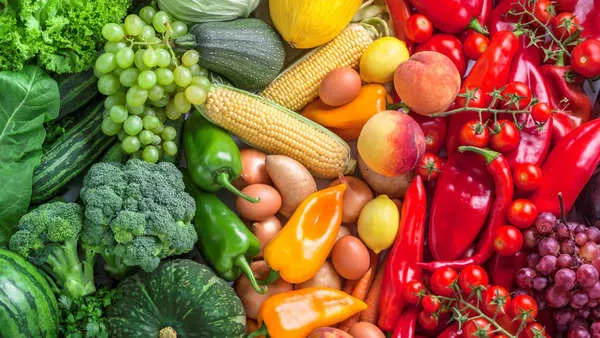
The culinary experience goes beyond the taste and texture. Colour plays a vital role in making food appetizing and also influences our decisions and perception of taste.

Let's take a look at the different colours in food and their psychological effects on people
Red :
This colour is associated with passion, appetite, and energy. Think of strawberries, tomatoes, bell peppers, or cake. The red colour generates a sense of intensity and passion.
Yellow :
Yellow is a color that evokes happiness, optimism, and warmth. Foods, such as bananas, corn, pineapples, or lemons, can generate a similar sense of warmth and joy.
Green :
This colour is associated with health, balance, and nature. Eating or drinking green food would make you feel like you are having something healthy and nutritious. For instance, spinach, broccoli, peas, and kiwi.
Blue:
As blue is not common in naturally occurring foods, we tend to associate it with something that is calm. This colour can reduce hunger.

Orange:
People associate orange with something wholesome. Oranges, carrots, and, pumpkins create an appetite.
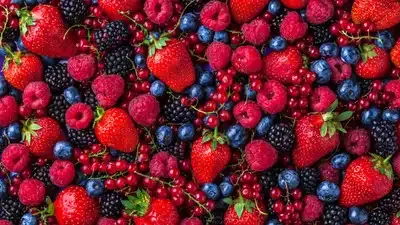
The colours are also associated with taste in most cases. When you hear yellow or orange, you expect something refreshing, citric, or tangy. Green, on the other hand, is associated with bitterness, eg. bitter guard or certain vegetables. Read More
This article is referenced from
https://timesofindia.indiatimes.com/
Views: 2.6k