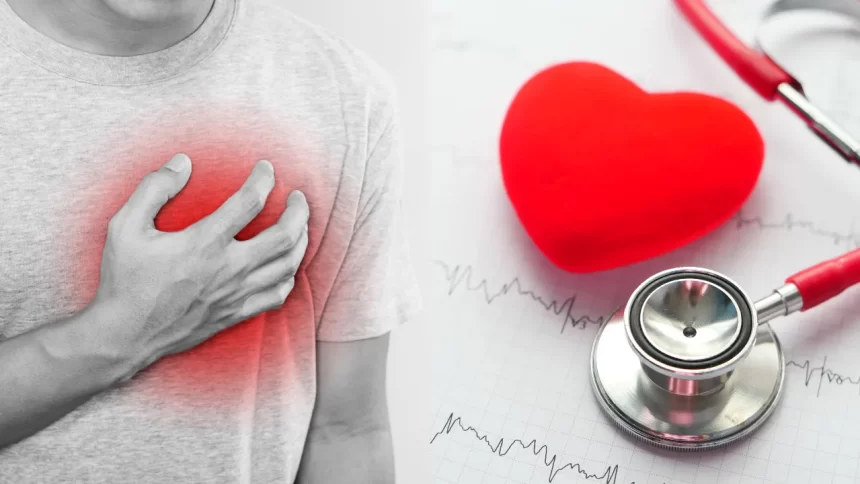
Your body may be sending you subtle signs of a heart attack. The question is: are you listening? Some people encounter early signals of a heart attack (myocardial infarction) in the days or hours before a cardiac event, and these signs may be less visible than you think. Recognising early heart attack signs might save your or someone else's life.
Doctor, says, “If you see any of the warning symptoms of a heart attack, do not delay in seeking medical attention. Some heart attacks are abrupt and severe, while others begin gradually, with minor pain or discomfort.” According to Doctor, paying attention to your body is crucial, and if you notice any unusual symptoms, it’s imperative to contact medical emergency services immediately.
Doctor lists the following warning signs of a heart attack:
Experiencing chest discomfort: “Most heart attacks cause discomfort in the middle of the chest for more than a few minutes, or it may go away and then return. It may feel like squeezing, unpleasant pressure, fullness, or discomfort,” he explains.
Discomfort in other upper-body locations: Doctor says that “pain or discomfort in one or both arms, back, neck, jaw, or stomach are possible symptoms of a heart attack.”
Shortness of breath: This symptom, he says, “can occur with or without chest pain and should not be ignored.”
Other possible symptoms: Doctor mentions nausea, lightheadedness, and cold sweats as additional signs that could indicate a heart attack.
He stresses that a heart attack is a life-threatening situation and that every second counts. “Even a few minutes of delay in treating a heart attack might result in irreparable cardiac damage or even death,” Doctor warns.
Life After a Heart Attack
Doctor explains that while the majority of individuals who have had a first heart attack recover completely and live normal lives, around 20% of those aged 45 and above may suffer a second heart attack within five years. He advises making heart attack prevention a priority through the following measures:
Manage your risk factors: Doctor states, “High blood pressure, high cholesterol, and diabetes are all risk factors for heart attacks; thus, it is critical to control them with medication and lifestyle changes such as stopping smoking, regular exercise, and eating a healthy and balanced diet.”

Take prescribed drugs: “Certain medications can dramatically reduce your chance of experiencing another heart attack,” he says, stressing the importance of adhering to prescribed treatments. Read More
This article is referenced from
https://www.timesnownews.com/
Views: 6.3k