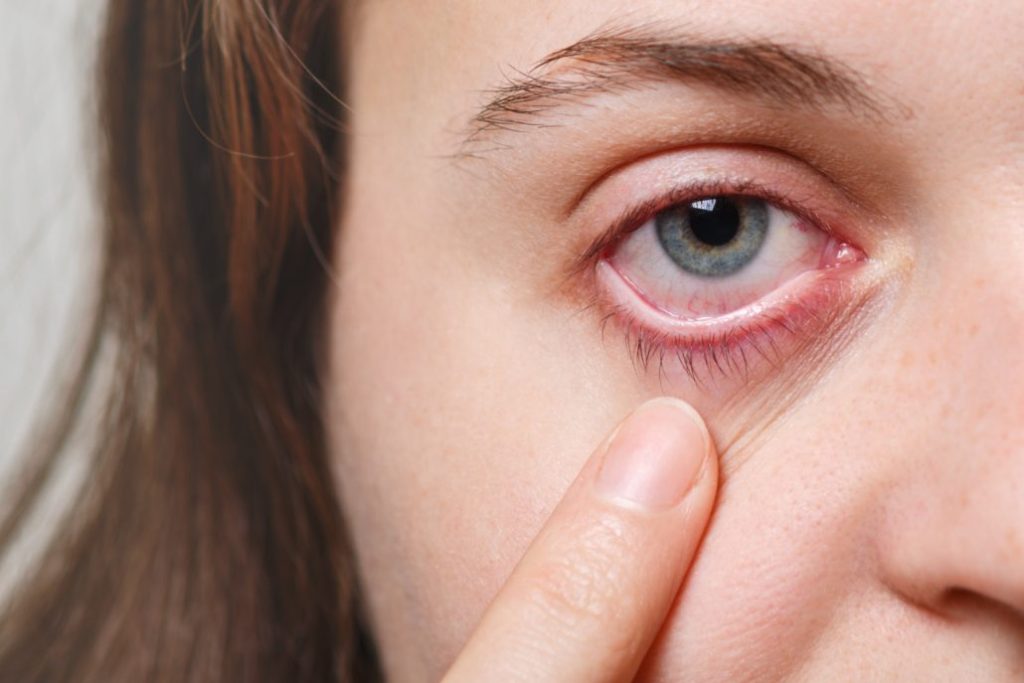

Dry eye disease is a common condition that occurs when the eyes do not produce enough tears or when the tears evaporate too quickly. Tears are essential for keeping the eyes moist, comfortable, and clear. When the tear film is disrupted, it can lead to irritation, discomfort, and vision problems. Recognizing the early symptoms of dry eyes is important for timely treatment and long-term eye health.
1. Dryness or Grittiness
One of the most common symptoms is a dry, scratchy, or gritty sensation, often described as feeling like sand or dust is stuck in the eyes. This discomfort may worsen after prolonged screen use or exposure to dry air.
2. Burning or Stinging Sensation
People with dry eyes often experience burning, stinging, or soreness in the eyes. These sensations can be persistent and may intensify in windy environments or air-conditioned rooms.
3. Redness of the Eyes
Lack of proper lubrication can cause eye irritation and inflammation, leading to red or bloodshot eyes. Redness may fluctuate throughout the day and is often more noticeable in the evening.
4. Blurred or Fluctuating Vision
Dry eyes can cause temporary blurred vision or difficulty focusing, especially during reading, driving, or screen use. Vision may improve after blinking or using lubricating eye drops.
5. Sensitivity to Light
Increased sensitivity to light (photophobia) is another common symptom. Bright sunlight, headlights, or indoor lighting may feel uncomfortable or painful to the eyes.
6. Excessive Tearing
Although it may seem contradictory, dry eyes can cause watery eyes. This happens because irritation triggers reflex tearing, but these tears are often poor in quality and do not adequately lubricate the eyes.
7. Eye Fatigue and Heaviness
People with dry eyes often feel eye tiredness, heaviness, or strain, especially after long periods of visual tasks such as computer work or reading.
8. Mucus Discharge Around the Eyes
Some individuals may notice stringy mucus in or around the eyes, particularly upon waking up. This is a sign of tear film imbalance and irritation.
9. Difficulty Wearing Contact Lenses
Dry eyes can make wearing contact lenses uncomfortable or even painful. Lenses may feel dry, irritating, or difficult to tolerate for long hours.
When to See a Doctor
If dry eye symptoms are persistent, worsening, or interfering with daily activities, it is important to consult an eye specialist. Early diagnosis can help prevent complications such as eye infections or damage to the corneal surface.